SRV · SEROVELLE
The rail system
Why SEROVELLE treats an apron as a rig, not a garment: one snap rail, pockets that move, and aprons that tie up as vests.
An apron is a rig
Most aprons are finished the moment they are sewn: the pockets are where the pattern put them, and if your pen belongs on the other side, you learn to reach across. SEROVELLE starts from the opposite idea. An apron is a rig, and a rig should be set up by the person wearing it.
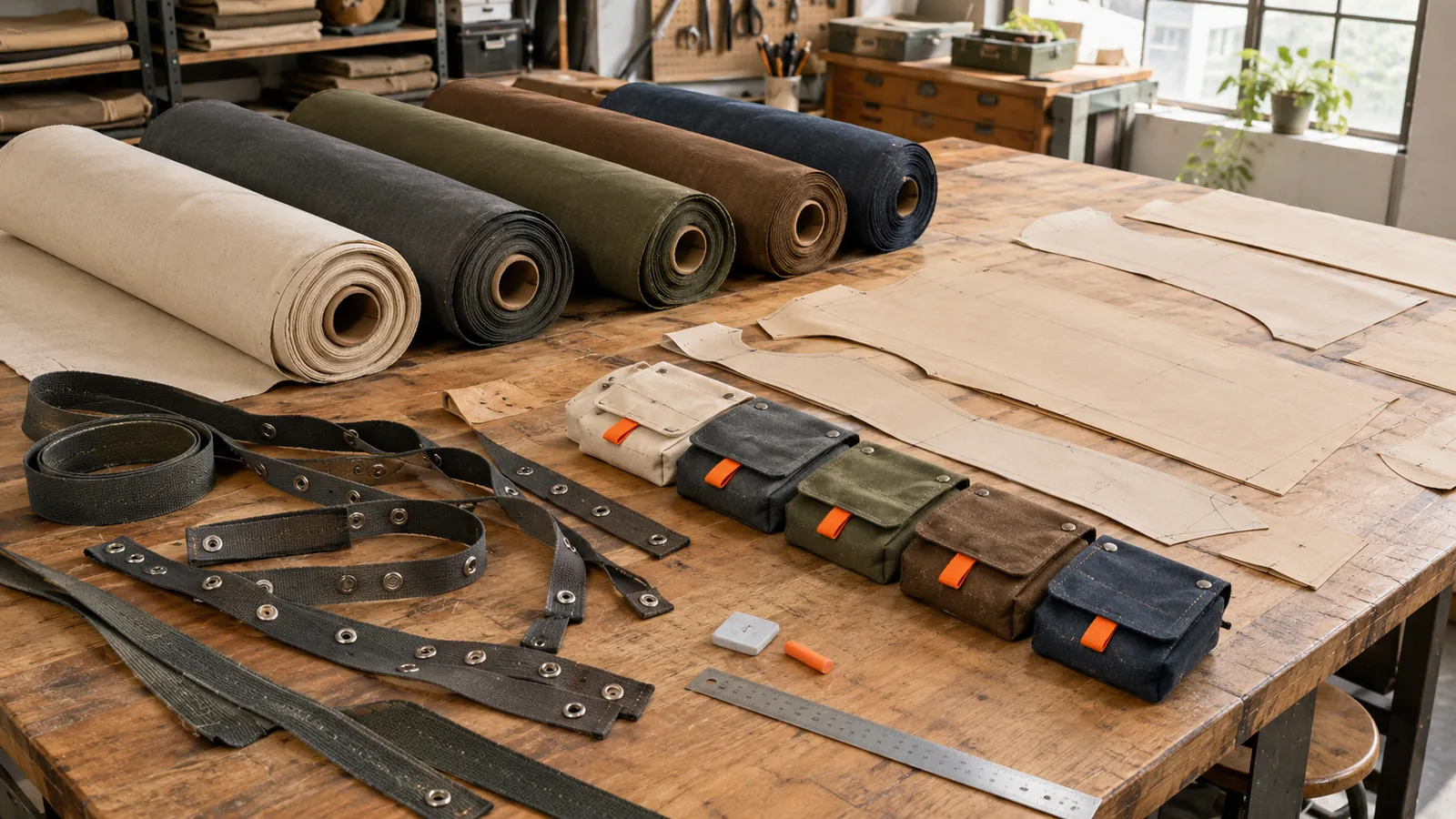
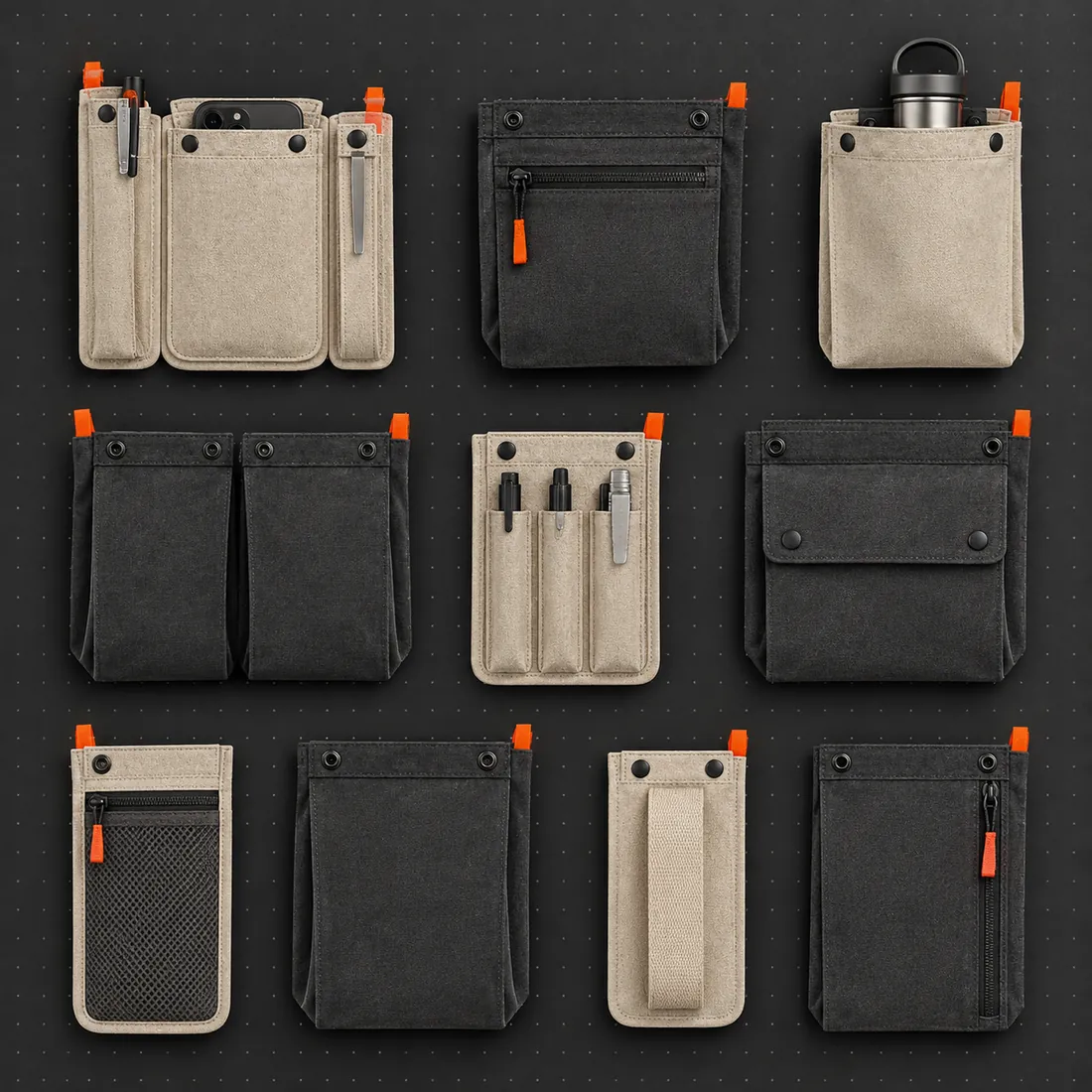
So we took the pockets off. Every SEROVELLE apron body carries a rail: metal snap studs at exactly 40 mm apart across the waist, and on bib aprons a second row down the bib. The pockets have matching sockets on their backs and an orange pull tab on the corner. Press to fix, pull the tab to release.
One pitch across the range
The 40 mm pitch is the same on all twenty-two apron bodies, on the six tool belts, on the chest rail of the eight chef jackets and on the Snap-Tab Sleeve Guards. A pen sleeve bought for a bakery apron fits the chest of a chef jacket and the belt you wear on your day off. Pockets outlive the apron they came with.
Built around trades
We cut the bodies for the way people work: a short bib that clears the coffee bar, a split skirt that stays out of your lap at the potter’s wheel, cross-back straps that carry the weight of a woodworker’s tool sleeves, a hem that folds into a harvest pouch in the garden. The modules follow the same thinking: holsters for scissors and secateurs, loops for towels and tape measures, deep pockets for gloves and twine.
Tie it up as a vest
The ties on every apron are long enough to wrap around the body, so the skirt can be folded up and the apron worn as a short vest, with the rail still at the front. The Convertible Vest Apron takes this furthest, with side panels and a hem snap row.
What it isn’t
SEROVELLE is everyday workwear. It keeps your clothes clean and your tools where your hands expect them. It is not protective equipment and we don’t claim it is heat-, flame-, water- or cut-resistant.